Fitness & Body Recomposition
Dealing with Exercise Burnout
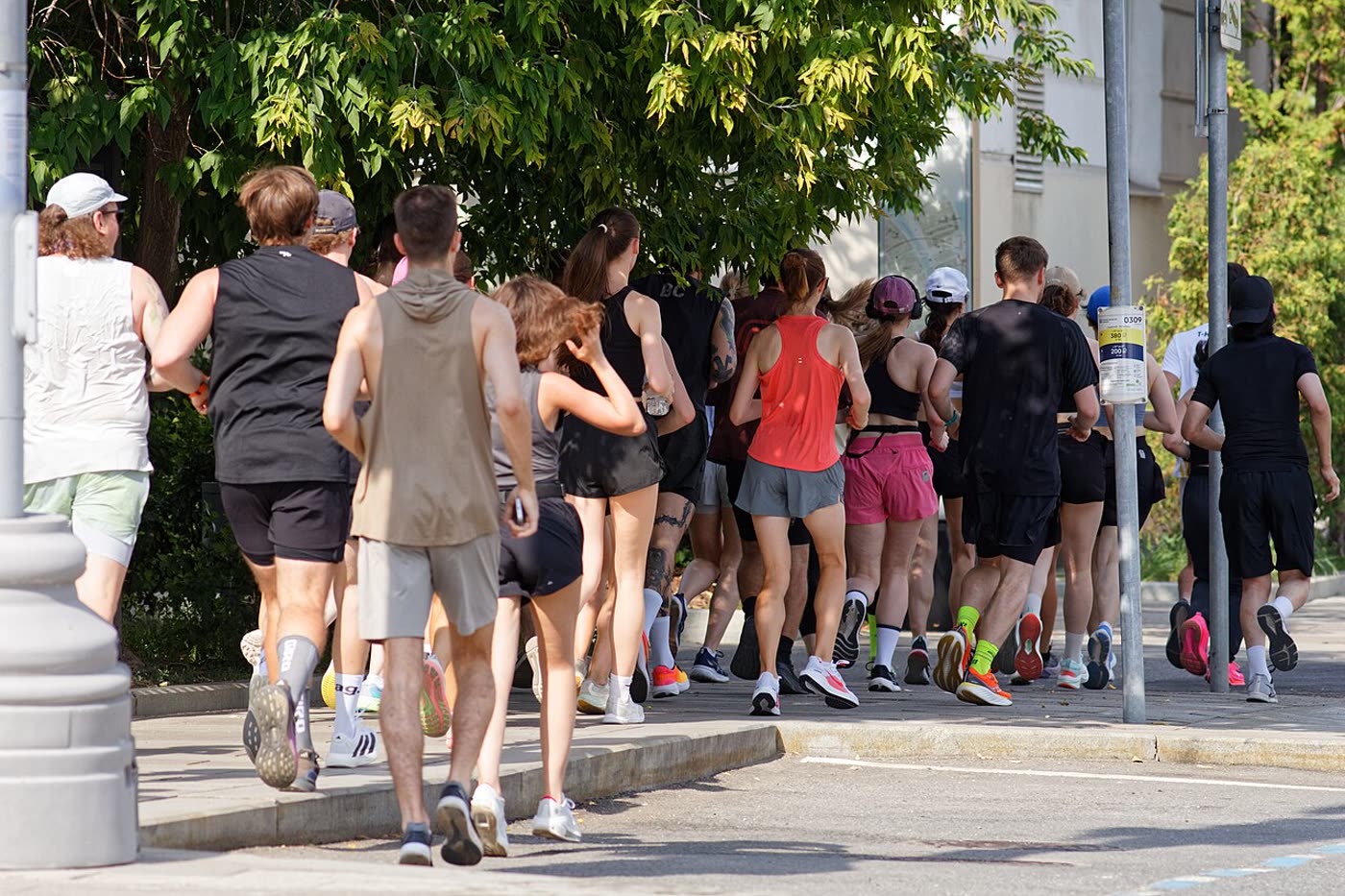
Image: Running event, Moscow by Retired electrician, CC0, via Wikimedia Commons.
Exercise burnout happens when physical and mental fatigue overwhelm your fitness routine, leading to decreased performance and motivation.
Signs You’re Experiencing Exercise Burnout
- Persistent muscle soreness lasting more than 72 hours
- Decreased performance despite consistent training
- Sleep problems or insomnia
- Loss of enthusiasm for workouts
- Frequent illness or injuries
Quick Solutions to Overcome Exercise Burnout
Take a strategic break of 4-7 days to allow full physical and mental recovery.
Switch your workout routine to include different activities you enjoy.
Reduce training intensity by 40-50% for two weeks while maintaining good form.
Recovery Techniques That Work
- Light stretching or yoga sessions
- 20-minute daily walks
- Massage therapy or foam rolling
- Swimming or water exercises
- Meditation or deep breathing exercises
Nutrition Tips for Recovery
Focus on eating whole foods rich in nutrients that support recovery.
| Nutrient | Food Sources |
|---|---|
| Protein | Lean meats, fish, eggs, legumes |
| Complex Carbs | Sweet potatoes, quinoa, brown rice |
| Healthy Fats | Avocados, nuts, olive oil |
Prevention Strategies
- Track your workouts and energy levels in a journal
- Schedule regular rest days
- Get 7-9 hours of sleep each night
- Stay hydrated (aim for 2-3 liters daily)
- Work with a certified trainer to optimize your routine
Contact a healthcare provider if symptoms persist beyond two weeks of implementing these recovery strategies.
Professional Help Resources
- American Council on Exercise (ACE): www.acefitness.org
- National Academy of Sports Medicine (NASM): www.nasm.org
Remember that exercise burnout is temporary and can be overcome with proper rest and recovery strategies.
When to Return to Exercise
- Energy levels feel restored
- Motivation has returned naturally
- Muscle soreness has completely subsided
- Sleep patterns have normalized
Start with 50% of your normal workout intensity and gradually increase over 2-3 weeks.
Building Back Stronger
A gradual return to exercise allows your body to adapt while preventing future burnout episodes.
Progressive Return Schedule
- Week 1: 50% intensity, 2-3 sessions
- Week 2: 65% intensity, 3-4 sessions
- Week 3: 80% intensity, regular schedule
- Week 4: Full return if feeling strong
Long-Term Success Strategies
- Implement regular deload weeks every 6-8 weeks
- Listen to your body’s signals
- Set realistic fitness goals
- Balance high-intensity workouts with recovery activities
Creating a Sustainable Routine
Design your fitness program around your lifestyle, energy patterns, and recovery needs.
| Workout Type | Weekly Frequency |
|---|---|
| High Intensity | 2-3 times |
| Moderate Intensity | 2-3 times |
| Recovery Activities | 2-3 times |
Conclusion
Exercise burnout is a signal to reassess and adjust your fitness approach. By recognizing early warning signs and implementing appropriate recovery strategies, you can maintain a sustainable and enjoyable fitness journey. Remember that rest and recovery are essential components of any successful training program, not signs of weakness.
FAQs
- What are the most common signs of exercise burnout?
Persistent fatigue, decreased performance, lack of motivation, insomnia, frequent illness, irritability, prolonged muscle soreness, and loss of enthusiasm for workouts. - How long should I rest when experiencing exercise burnout?
Take 1-2 weeks of complete rest or active recovery, followed by a gradual return to exercise. Listen to your body and only resume when feeling mentally and physically refreshed. - Can nutrition help prevent exercise burnout?
Yes, proper nutrition is crucial. Ensure adequate carbohydrate intake for energy, protein for recovery, and maintain proper hydration. Consider increasing caloric intake if training intensely. - What’s the difference between normal fatigue and exercise burnout?
Normal fatigue resolves with regular rest (24-48 hours), while burnout persists despite rest, affects multiple aspects of life, and may take weeks to recover from. - How many rest days per week should I take to prevent burnout?
Most people need 1-2 rest days per week, while intense training may require 2-3 days. Elite athletes might need planned recovery weeks every 4-8 weeks. - Does exercise burnout affect mental health?
Yes, it can lead to depression, anxiety, mood swings, decreased motivation, and mental exhaustion. It may also impact sleep quality and overall stress levels. - What role does sleep play in preventing exercise burnout?
Quality sleep (7-9 hours) is essential for recovery, hormone regulation, muscle repair, and preventing burnout. Poor sleep significantly increases burnout risk. - How should I modify my workout routine when recovering from burnout?
Reduce intensity by 40-50%, decrease volume by 50-60%, focus on form, and gradually increase over 2-4 weeks as energy and motivation return. - Can supplements help with exercise burnout?
While not a cure, certain supplements like magnesium, vitamin D, and B-complex vitamins may support recovery. Always consult healthcare providers before starting supplements. - What lifestyle changes can help prevent exercise burnout?
Implement stress management techniques, maintain work-life balance, ensure proper nutrition, prioritize sleep, and practice periodization in training programs.