Fitness & Body Recomposition
How Much Training Volume You Actually Need
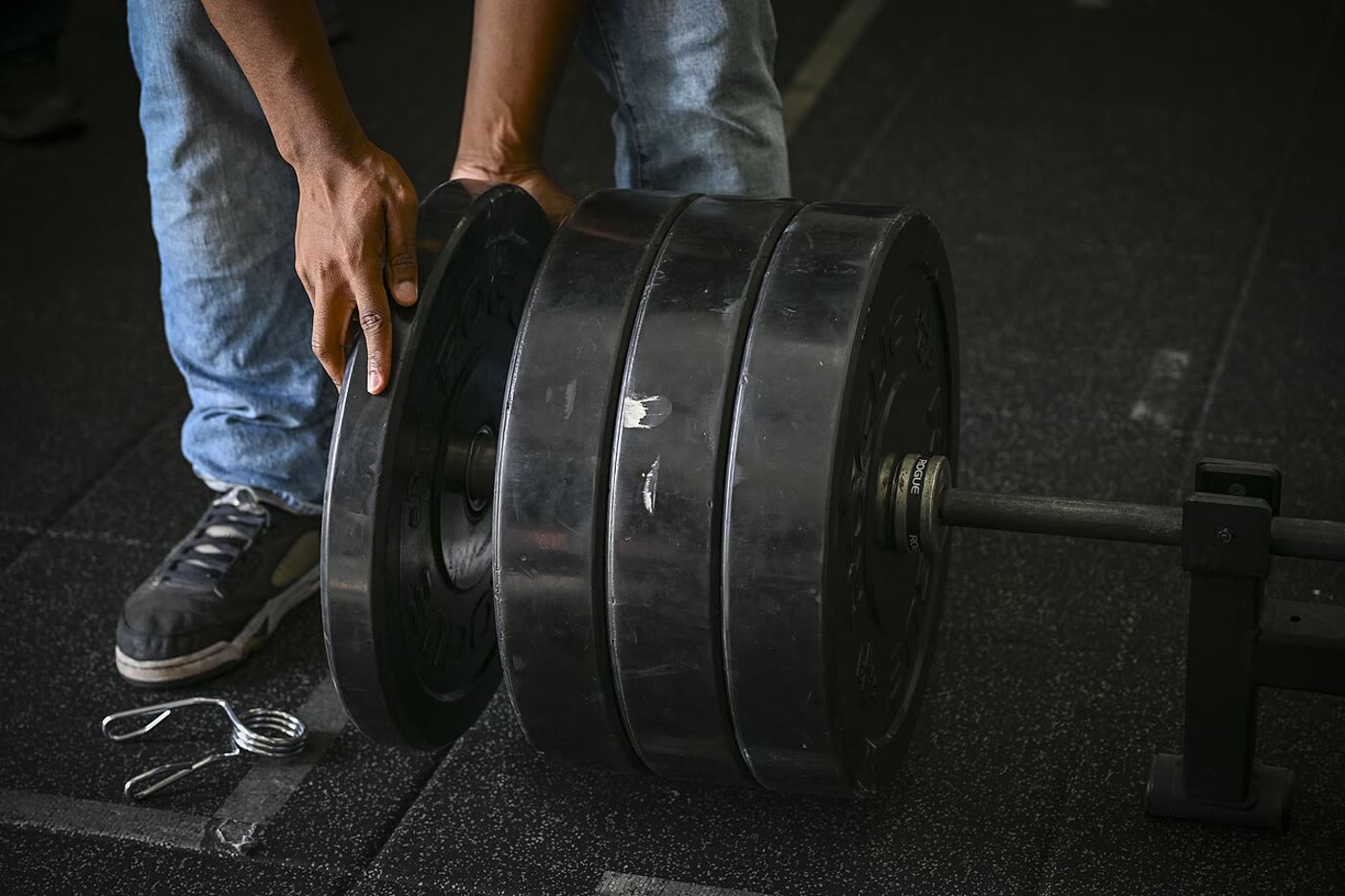
Image: Skelton Gym Powerlifting Competition by U.S. Air Force photo by Senior Airman Haiden Morris, Public domain, via Wikimedia Commons.
Training volume - roughly, how many hard sets you do per muscle each week - is one of the biggest drivers of whether you build muscle. But the relationship is not "more is always better." Too little and you barely progress; too much and you dig a recovery hole that stalls you just as surely. This guide gives you a sensible starting range, how to find your own sweet spot, and why the amount you can handle shrinks as you get older.
Who this is for
Anyone past the absolute beginner stage who wants to know how much to do - and returners in their 40s and 50s wondering why the high-volume routines they see online leave them wrecked rather than progressing.
What training volume actually is
The most practical way to count volume is hard sets per muscle group per week - the sets taken close to failure that actually drive adaptation. Ten challenging sets for your back across the week is ten sets of volume for your back, whether you do them in one session or spread them across two. Counting this way is simpler and more useful than tracking total weight lifted.
A sensible starting range
| Goal | Sets per muscle / week | Notes |
|---|---|---|
| General strength and health | 6 to 10 | Plenty for most people, especially over 40 |
| Building muscle | 10 to 16 | Build up to it gradually; more is not automatically better |
| Maintaining | 4 to 6 | Surprisingly little maintains what you have built |
Start at the lower end and add volume only if you are recovering well and progress has stalled. It is far easier to add a set than to dig out of chronic overreaching.
Finding your own sweet spot
The right volume is individual - it depends on your age, recovery, sleep, stress, and training history. Two boundaries frame it:
- The minimum that makes progress - below this you maintain but do not improve.
- The maximum you can recover from - above this, more sets add fatigue without adding results.
Your job is to sit between them, nearer the minimum than the maximum. Add volume in small steps and watch how you recover. Volume works hand in hand with progressive overload and your training frequency.
Signs your volume is off
- Too little: workouts feel easy, no soreness ever, lifts and measurements are flat for weeks.
- Too much: persistent deep soreness, stalling or dropping performance, poor sleep, dread before sessions, nagging joints.
If too much sounds like you, the fix is counterintuitive: cut sets. Our deload week guide and recovery tracking guide help you read the signals.
Why volume tolerance drops with age
This is the part generic programs miss. Recovery capacity declines with age, so the amount of volume you can turn into progress falls too. The 20-set-per-muscle routines popular online are built for young lifters who recover fast and often use enhancement. For most people over 40, the sweet spot sits lower - and trying to match a younger lifter's volume is a common route to burnout and injury. Doing slightly less, and recovering fully, beats doing more and recovering poorly every time.
How to progress volume
- Add one or two sets to a muscle group, then train that way for a few weeks before adding more.
- Only add volume if you are recovering well and progress has genuinely stalled.
- Every so often, deliberately reduce volume for a week (a deload) to let fatigue clear and progress resume.
The mistakes that catch people out
- Copying a high-volume routine built for a younger or enhanced lifter.
- Adding sets to break a plateau that is actually caused by fatigue, making it worse.
- Counting easy warm-up sets as working volume.
- Never reducing volume, so fatigue quietly accumulates for months.
FAQs
- How many sets per muscle should I do each week?
For general strength and health, 6 to 10 hard sets per muscle group per week is plenty, especially over 40. For building muscle, 10 to 16 works for many people. Start lower and add only if you are recovering well. - Is more volume always better for muscle growth?
No. Volume helps up to a point, after which extra sets add fatigue without extra results and can stall you. The goal is enough to drive progress while still recovering fully, not the most you can cram in. - How do I count training volume?
The simplest useful method is hard sets per muscle group per week - the challenging working sets taken close to failure. Warm-up sets do not count toward this total. - How much volume do I need just to maintain muscle?
Less than you would think - often 4 to 6 hard sets per muscle per week. This is useful during busy periods or while dieting, when full progress volume is hard to recover from. - Why do I feel wrecked by popular high-volume routines?
Many online routines are built for young or enhanced lifters who recover quickly. If you are over 40 or training naturally, your recoverable volume is lower, so those programs cause burnout rather than progress. Do less and recover fully. - Should I do all my volume in one session or spread it out?
Spreading a muscle's weekly volume across two sessions often lets you do each set with better quality and recovery than cramming it all into one. Weekly total is what matters most. - How do I know if I am doing too little?
If workouts always feel easy, you never experience any soreness, and your lifts and measurements have been flat for weeks, you likely need a bit more volume or intensity. - Does volume tolerance really change with age?
Yes. Recovery capacity declines with age, so the volume you can turn into progress falls. Adjust expectations downward from young-lifter norms and prioritise recovery over piling on sets.