Fitness & Body Recomposition
Recovery Tools: What Works and What's Hype
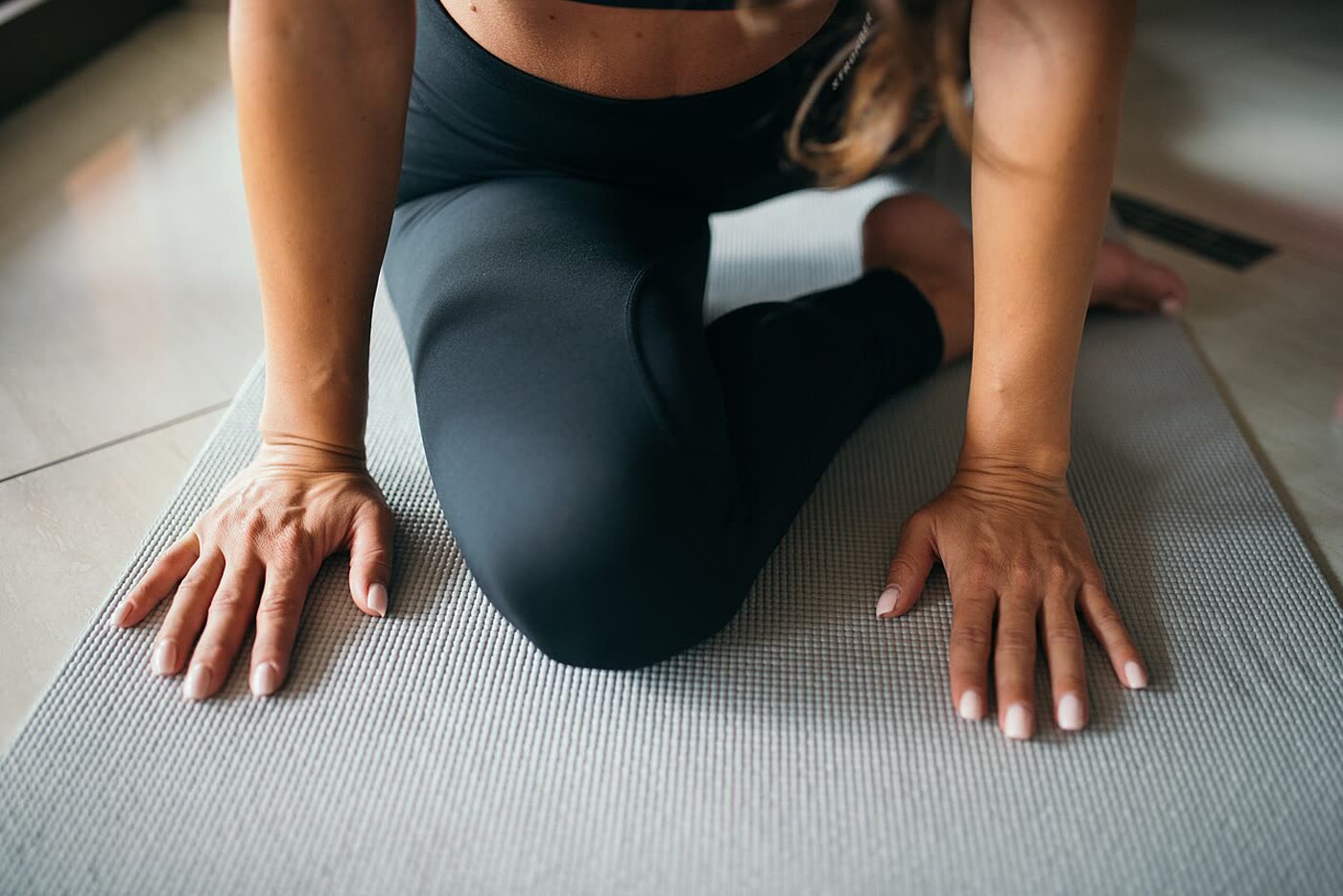
Image: Stretching on a yoga mat by Nenad Stojkovic, CC BY 2.0, via Wikimedia Commons.
The recovery-tool industry is booming, and most of it is selling a feeling rather than a result. That does not make the tools useless - some genuinely help - but almost all of them are minor extras that work only once your sleep, nutrition, and training load are handled. Spend money at the bottom of the recovery hierarchy while ignoring the top and you have wasted it. This guide gives an honest read on each common tool: what it actually does, and whether it is worth your money.
Who this is for
Anyone tempted by recovery gadgets who wants a straight answer before spending - and older trainees who would get far more from better sleep than from any device.
First, the honest framing
No tool substitutes for the fundamentals. Sleep, protein, enough food, and managed training load do the overwhelming majority of recovery - see the full recovery hierarchy. Tools sit at the bottom of that list. Most of their benefit is to how you feel (relaxation, reduced perceived soreness) rather than measurable faster repair - which is still worth something, just not what the marketing implies.
Tool by tool
| Tool | Honest verdict |
|---|---|
| Foam roller | Useful and cheap. Eases tightness and aids mobility. Good value. |
| Massage gun | Feels good, can reduce perceived soreness. A pricier foam roller, essentially. |
| Compression garments | May slightly reduce soreness; modest effect. Optional. |
| Cold (ice baths / plunges) | Reduces soreness, but can blunt muscle-building adaptations after lifting. Timing matters. |
| Heat / sauna | Relaxing, may aid blood flow and wellbeing. Pleasant, minor. |
| Stretching | Helps mobility and how you feel; not a soreness cure. Worth doing anyway. |
The good value: foam roller and mobility
A basic foam roller is cheap and genuinely useful for easing tight spots and supporting mobility. A massage gun does much the same job with more comfort and a bigger price tag - fine if you like it, not essential. Both help you feel looser and can lower perceived soreness, which makes training more pleasant.
The nuanced one: cold exposure
Ice baths and cold plunges are having a moment. They do reduce muscle soreness, and some people love how they feel. But there is a catch worth knowing: cold immediately after strength training can blunt some of the muscle-building signal you just worked for. If your goal is building muscle, avoid cold right after lifting - use it on rest days or well separated from the session instead. For general recovery and wellbeing, it is fine.
Spend your money in the right order
If your recovery is lacking, the highest-return spend is almost never a device. In order: a better sleep setup (blackout, cool room), decent protein, and the time to manage your training load. Only after those are sorted does a foam roller or massage gun add much. Do not buy your way down the hierarchy while the top is neglected.
Why older trainees especially should start at the top
Because recovery is the ceiling on progress after 40, the temptation to solve it with gadgets is strong - and misplaced. An older trainee sleeping seven hours and eating enough protein will out-recover one with a drawer full of devices and poor sleep. Use tools for comfort and mobility if you enjoy them, but fix sleep, protein, and training load first. That is where the real recovery lives at any age, and especially later.
The mistakes people make
- Buying expensive tools while neglecting sleep and nutrition.
- Using cold plunges right after lifting when the goal is muscle.
- Expecting a device to fix fatigue caused by too much training or too little rest.
- Believing that a higher price means meaningfully better recovery.
FAQs
- Do recovery tools actually work?
Some help modestly - foam rolling and massage ease tightness and reduce perceived soreness. But most of their benefit is to how you feel, not measurably faster repair, and none replaces sleep, nutrition, and managed training load. - Are massage guns worth it?
They feel good and can reduce perceived soreness, but they do largely what a cheap foam roller does with more comfort and a higher price. Nice to have, not essential. - Should I do ice baths after workouts?
Be careful after strength training - cold immediately afterwards can blunt some muscle-building adaptations. For building muscle, keep cold away from your lifting sessions. For general recovery and how you feel, it is fine. - Is a foam roller worth buying?
Yes. It is cheap and genuinely useful for easing tight spots and supporting mobility - one of the best-value recovery tools available. - Do compression garments improve recovery?
They may slightly reduce soreness, but the effect is modest. They are optional rather than important, and no substitute for the recovery fundamentals. - What is the best recovery tool for the money?
A basic foam roller, by a wide margin. Beyond that, the highest-return spend is a better sleep setup and enough good food - not a device. - Does the sauna help recovery?
It is relaxing and may support blood flow and general wellbeing, which can indirectly help. Treat it as a pleasant minor addition, not a core recovery method. - I am over 40 - which tools should I prioritise?
Start with sleep and protein, not gadgets. Recovery is the main limiter with age, and no device outperforms good sleep. Use a foam roller for mobility if you like, but fix the fundamentals first.