Fitness & Body Recomposition
Periodization Made Simple
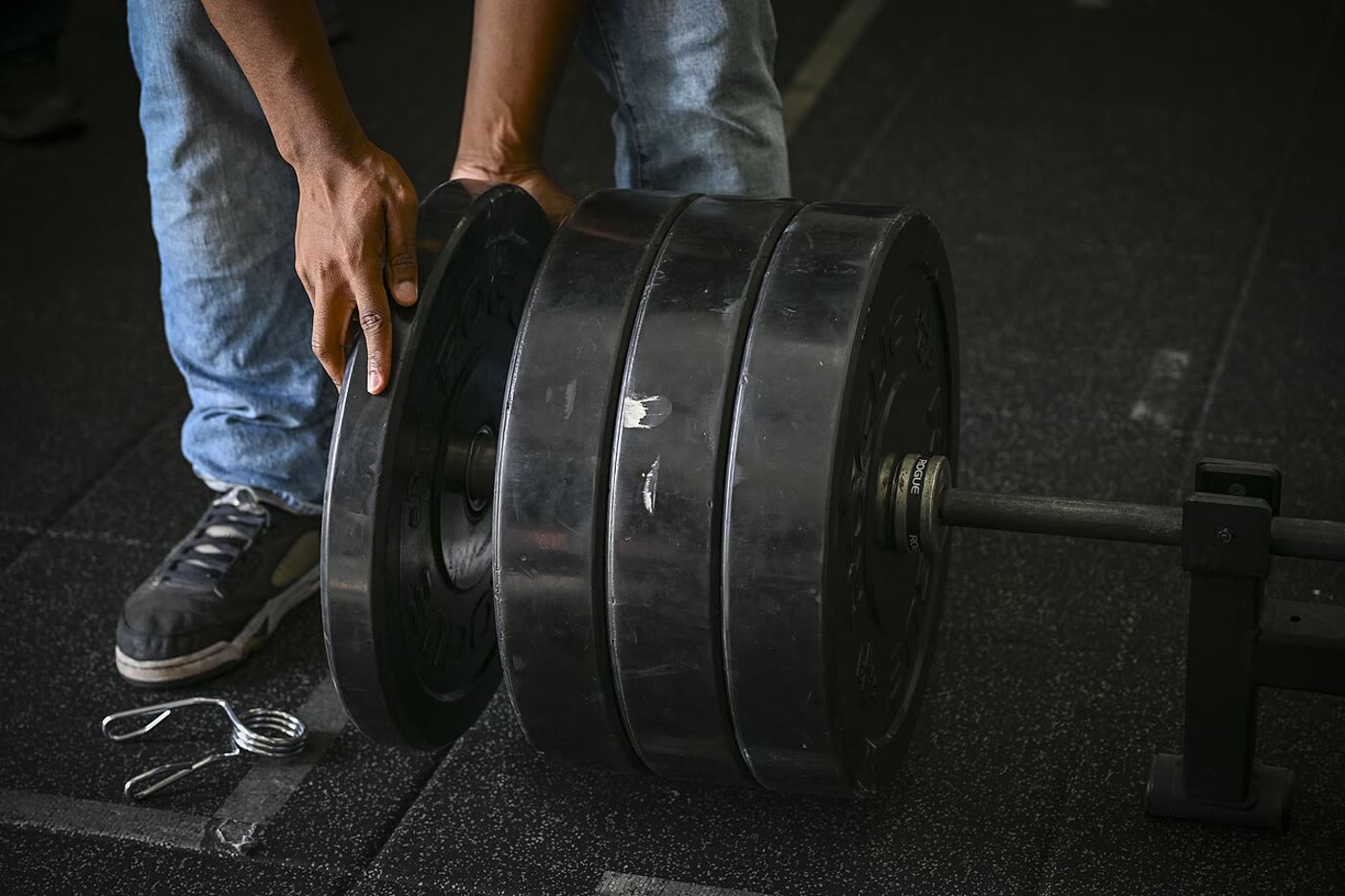
Image: Skelton Gym Powerlifting Competition by U.S. Air Force photo by Senior Airman Haiden Morris, Public domain, via Wikimedia Commons.
Periodization has a reputation for being complicated - block phases, mesocycles, percentages on a spreadsheet. Strip that away and the idea is simple: instead of grinding the same weights and reps forever, you vary your training over time so your body keeps adapting and gets planned recovery. That is the whole point, and you can apply it without any maths. This guide gives you the plain version, and why deliberate variation matters even more as you age.
Who this is for
Anyone past the beginner stage who has stalled doing the same routine, or wants a structure that keeps progress coming for years rather than weeks - including 40-plus lifters who need built-in recovery, not just built-in intensity.
The core idea
Your body adapts to a stimulus and then stops responding to it. Do identical workouts month after month and progress flattens. Periodization solves this by cycling the emphasis - heavier and lower-rep for a while, then lighter and higher-rep, with easier weeks built in. The variation keeps the stimulus fresh and, just as importantly, stops fatigue piling up until it forces a break.
The simplest version that works
You do not need phases with names. Two easy approaches:
- Change the emphasis every few weeks. Spend 3 to 4 weeks in a strength focus (heavier, 5 to 8 reps), then 3 to 4 weeks in a muscle focus (moderate, 8 to 12 reps), then repeat. Each phase builds on the last.
- Vary within the week. One heavier day and one lighter, higher-rep day for the same lifts. This spreads the stimulus and the stress across the week.
Whichever you choose, keep applying progressive overload inside each phase, and manage the total work with your training volume.
Build in the easy weeks
The part beginners skip is the planned recovery. Every 4 to 6 weeks, take a lighter week before your body forces one on you. This deload is not lost progress - it is when accumulated fatigue clears so the next phase can push higher. Our deload week guide covers exactly how.
A sample 8-week cycle
| Weeks | Focus | Feel |
|---|---|---|
| 1 to 3 | Strength (heavier, 5 to 8 reps) | Building intensity |
| 4 | Deload (lighter, fewer sets) | Recover |
| 5 to 7 | Muscle (moderate, 8 to 12 reps) | Building volume |
| 8 | Deload | Recover, then repeat |
That is a complete periodized plan with no spreadsheet in sight.
Why it matters more after 40
Younger lifters can sometimes grind the same hard training for a long time before it catches up with them. With age, recovery is slower and fatigue accumulates faster, so the deliberate easy phases stop being optional. Periodization for an older lifter is less about squeezing out peak performance and more about riding the line between enough stimulus and enough recovery - pushing in the hard phases, genuinely backing off in the easy ones, and never letting fatigue snowball into a stall or an injury.
The mistakes that undo it
- Overcomplicating it - you do not need percentages and named cycles to benefit.
- Skipping the deload weeks because you feel fine, then stalling a few weeks later.
- Changing everything randomly instead of cycling deliberately - variety is not the same as periodization.
- Abandoning progressive overload inside each phase, so the variation has nothing to build on.
FAQs
- What is periodization in simple terms?
Varying your training over time - cycling between heavier and lighter phases with planned easy weeks - instead of doing the same workout indefinitely. It keeps your body adapting and manages fatigue. - Do I need periodization as a regular gym-goer?
Beginners can progress on a steady routine for a while, but once you stall, some structured variation helps a lot. You do not need anything complex - changing emphasis every few weeks and building in deloads is enough. - What is the simplest way to periodize?
Spend a few weeks in a strength focus (heavier, lower reps), then a few weeks in a muscle focus (moderate reps), with a lighter deload week every 4 to 6 weeks. Repeat. No maths required. - How often should I change training phases?
Every 3 to 4 weeks is a practical rhythm for most people, followed by a deload. Long enough to adapt to a focus, short enough to stay fresh. - Is periodization only for advanced lifters?
No. The simple version benefits anyone who has stopped progressing, and it is especially valuable after 40, where the built-in recovery weeks prevent the fatigue that slower recovery causes. - Can I periodize without a written plan?
Yes, though a rough written outline helps you stay honest about phases and deloads. The key is deliberate cycling and planned easy weeks, not the format you record them in. - Does periodization mean my workouts change every week?
Not randomly. You keep the same core lifts and cycle the emphasis and intensity in planned blocks. Deliberate structure is what separates periodization from just doing something different each session. - Why does periodization matter more with age?
Because recovery slows and fatigue builds faster, the planned easy phases become essential rather than optional. Periodization helps older lifters keep enough stimulus without tipping into overreaching.