Fitness & Body Recomposition
Training Frequency Optimization
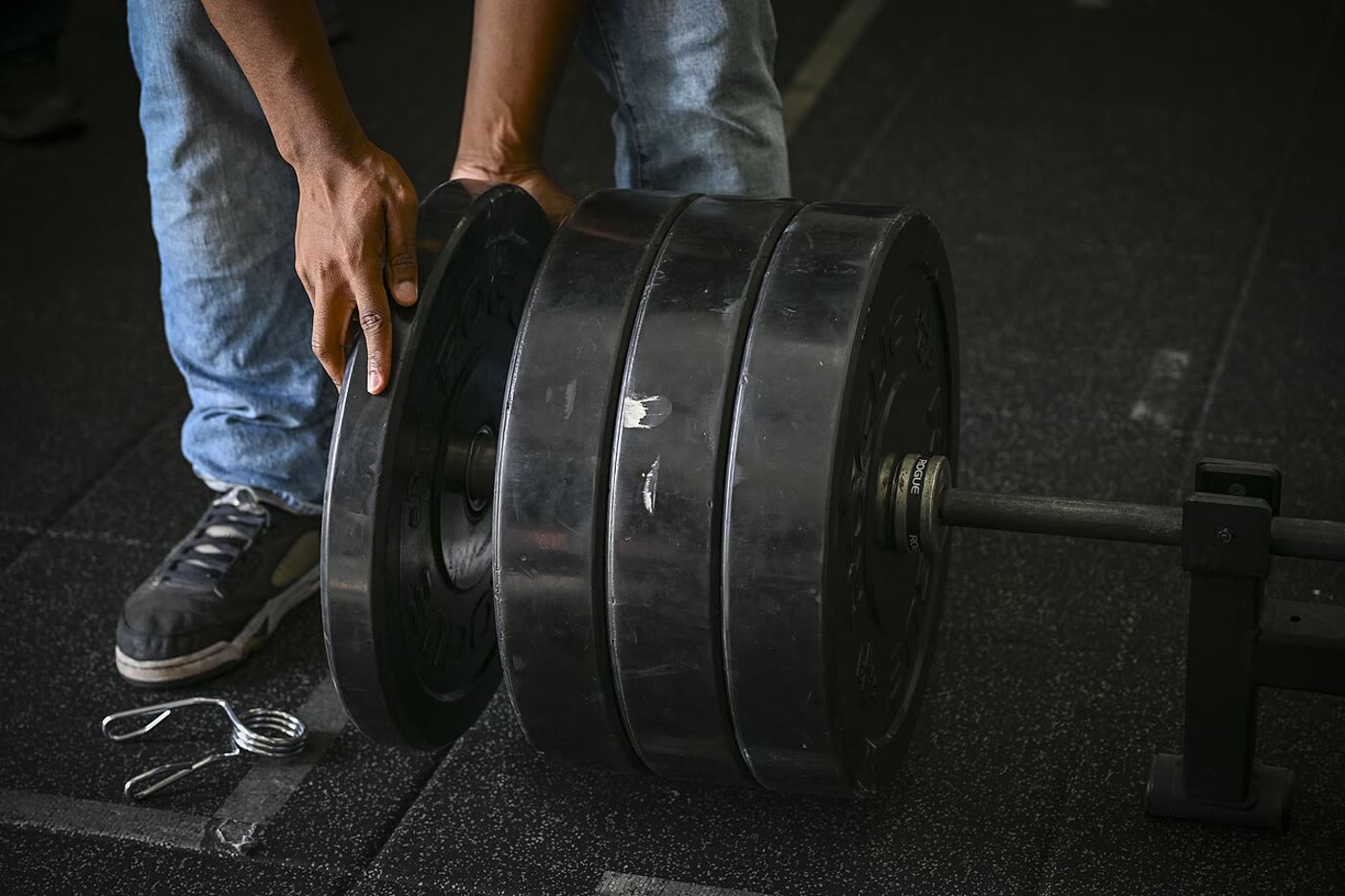
Image: Skelton Gym Powerlifting Competition by U.S. Air Force photo by Senior Airman Haiden Morris, Public domain, via Wikimedia Commons.
How often should you train? If you're over 40, the honest answer is probably less often than the internet tells you — and that's not a compromise, it's the strategy. Three to four quality sessions a week, fully recovered from, will out-build five or six sessions you're always slightly wrecked from. This guide shows how to find the frequency your body actually recovers from, and how to adjust it as life and age change.
Who this is for
Adults roughly 40–60 building strength and muscle for health and body composition. The numbers below assume you have a job, some stress, and a recovery capacity that isn't a 20-year-old's — because that describes almost everyone reading this.
Start here: frequency by experience
| Level | Sessions / week | Notes |
|---|---|---|
| Returning or new | 2–3 | Full-body sessions, a day of rest between |
| Consistent 6–12 months | 3–4 | Upper/lower or push/pull/legs |
| Experienced | 4–5 | Only if recovery markers stay green |
Notice the ceiling is lower than the athlete guides quote. Over 40, four excellent sessions is a realistic sweet spot for most people; five is earned, not assumed.
A week that gives everything two exposures
| Day | Focus |
|---|---|
| Monday | Push — chest, shoulders, triceps |
| Tuesday | Pull — back, biceps |
| Wednesday | Rest or easy walk |
| Thursday | Legs |
| Friday | Upper body |
| Weekend | Rest / active recovery |
Training three days? Make each a full-body session on non-consecutive days (Mon/Wed/Fri). Every muscle still gets worked three times a week, with recovery baked in.
Let recovery set your frequency — not a number on a plan
Frequency isn't a fixed target; it's a dial you turn based on how you're recovering. Turn it down when you see these:
- Soreness that hangs on past 72 hours
- Performance sliding session to session
- Disrupted sleep or a resting heart rate that's crept up
- General fatigue that rest days aren't clearing
These are the same markers in the recovery tracking guide — track them and your frequency answers itself.
Why frequency needs to change with age
This is where a generic template will let you down. The research is consistent: older adults need more recovery time between hard sessions than younger ones, because muscle repair and hormonal recovery slow with age. Practically:
- Guard the recovery days. Where a 25-year-old might train six days, most people over 40 do better on 3–4 quality sessions with genuine rest between. The rest days are when you actually get stronger.
- Volume matters more than frequency. You can get plenty of work done in fewer sessions. Aim for roughly 10–20 hard sets per muscle group per week total, spread across your sessions — then stop adding.
- Match frequency to life, not just training. A high-stress work week, poor sleep, or a new program all reduce what you can recover from. Drop a session in those weeks rather than pushing through.
Build frequency up slowly
- Start at the low end — 2–3 sessions — and hold it until it feels genuinely easy to recover from.
- Add one session every 4–6 weeks, only if your recovery markers stay green.
- If performance or sleep dips after adding a day, drop back. That's information, not failure.
Session length matters less than people think — 45–60 focused minutes beats a 90-minute grind. For how to structure each session once you've set your frequency, see the exercise programming guide, and for planned lighter phases, periodization basics.
For frequency tuned to your goals, injury history, or a medical condition, a certified professional via the NSCA directory can build it around you.
FAQs
- How many times per week should I work out for results?
For most people, 3–4 sessions a week builds strength and muscle while allowing recovery. Beginners start at 2–3; over 40, four quality sessions is a realistic sweet spot and five should be earned through good recovery. - Should I train the same muscle groups every day?
No. Muscles need roughly 48–72 hours to recover. Training the same muscles daily invites overtraining and injury — alternate muscle groups or use a split. - How long should my workout sessions last?
About 45–60 minutes for most people. Beyond 90 minutes you hit diminishing returns. Intensity and focus beat duration. - Is it better to train in the morning or evening?
Consistency matters more than timing. Strength tends to peak in the late afternoon, but the best time is the one you'll actually keep. - How much total volume should I do per muscle group?
Roughly 10–20 hard sets per muscle group per week, spread across sessions. Add volume slowly and back off when recovery suffers. - What's the minimum recovery time between workouts?
For full-body sessions, 24–48 hours. For split routines hitting specific muscles, 48–72 hours before repeating them. - How should I adjust frequency when cutting calories?
Keep frequency and intensity, trim a little volume. In a calorie deficit your recovery capacity drops, so protect the rest days. - Does training frequency need to change with age?
Yes. Recovery slows with age, so those over 40 often do best on 3–4 quality sessions with extra recovery, versus the 5–6 a younger athlete might handle. - How do I know if I'm overtraining?
Persistent fatigue, dropping performance, poor sleep, an elevated resting heart rate, mood changes, and more frequent niggles. If they show up, cut frequency and prioritise recovery. - Can I build muscle on just two or three days a week?
Yes — especially if you're returning to training. Full-body sessions two or three times a week, done consistently and progressively, build real muscle. Consistency beats an ambitious plan you can't sustain.